Yayyyyyyy, pinch and a punch, its the first day of the month of February.. As soon as today hits, this means this year is just going to fly by so quickly :-)
Have you managed to keep that New Years resolution up to this day, or is it a bit rocky lol? Don't worry if you haven't, you still have enough time in the year to give yourself that target and goal that you've always wanted to achieve....
Here's wishing every single one of my readers a Happy New Month and I hope this month brings you alot of joy and blessings :-)
Good morning Foodies, Happy Last day of the 1st month of the year :-)
This month felt like there was 3 months in one lol.
For all you hot chocolate lovers, today is a day for you to celebrate massively as you can have as much hot chocolate as you like without counting calories :-)
Here are today’s five things to know about hot chocolate:
What’s the difference between Hot Chocolate and Hot Cocoa? Hot Chocolate uses milk or milk chocolate while hot cocoa uses only powdered cocoa.
The first hot chocolate was Mayan, and it was served with chili peppers!
In Spain, hot chocolate with churros is considered a working man’s breakfast.
Hot chocolate has antioxidants and flavonols, very healthy nutrients. Just skip the sugar.
Chocolate is the 3rd most traded commodity in the world. 1st is oils, 2nd is coffee.
NATIONAL CROISSANT DAY. In the United States, National Croissant Day is observed each year on January 30th. Croissants are a buttery, crescent-shaped rolls that are crispy on the outside and soft on the inside.
image source-foodimentary.com According to Foodimentary, here are some fun food facts about croissants :-)
Each croissant rolls are made of 50 or more thin layers of pastry & butter.
According to legend, it was Marie Antoinette (Austrian Princess who married Louis XVI), introduced the croissant to France.
Since Starbucks bought French baker Pascal Rigo’s San Francisco-based La Boulange, the chocolate croissant has become the coffee chain’s bestselling pastry.
In 2013, chef Dominque Ansel came up with the cronut — a deep-fried croissant/doughnut combination that became all the rage at his New York bakery.
According to The Food Standards Agency in the UK a campaign was launched yesterday Monday 23rd January 2017 to warn about cancer risks linked to eating burnt toast, over-roasted potatoes and other starchy foods cooked at high temperatures.
I personally love my toast unburnt; alot people I come across seem to like to eat their toast burnt which to be honest, I have no idea why. When I saw this on the news in the morning, I was jumping for joy as I know its not something that would affect me. So if you eat your toast burnt, please continue reading this post and you'll know why you have to stop :-)
How do you like your toast and roast potatoes?
The campaign is based on longstanding evidence from animal studies in 2002, but the link is yet to be proved in human studies. Some experts are highlighting that other lifestyle factors pose much greater cancer risks, such as smoking and obesity.
What exactly is the problem with these overcooked starchy foods? Earlier mouse studies identified that high levels of a compound called acrylamide led to an increased risk of cancer.
Acrylamide is what makes bread and potatoes turn golden in color when fried, baked, toasted or roasted. The compound is formed from simple sugars, such as glucose, reacting with an amino acid, known as asparagine, when these foods are cooked at temperatures above 120 degrees Celsius. Asparagine is found naturally in starchy foods.
If cooked for too long, these foods turn from golden to brown and eventually black. As they do, they produce higher levels of acrylamide, further increasing your cancer risk, as highlighted by the FSA campaign, called "Go for Gold."
The campaign asks people to keep their food golden and not let it cook to those darker colors.
The aim is to increase awareness among the public. Although the research is not new, the agency believes that people remain unaware.
"Research indicates that the majority of people are not aware that acrylamide exists, or that they might be able to reduce their personal intake," Steve Wearne, director of policy at the Food Standards Agency, said in a statement. The government body analyzes and shows current research in food safety, nutrition and food-related disease of importance to public health. source-http://edition.cnn.com/
Good Morning Foodies, hope you all had a great evening last night...
January always seems to always be a slow month, it kind of drags as its the start of a New Year but on a positive note, today is another day & another National Food day :-) Today 5th January is National Whipped Cream Day....!!!
Here are today’s five things to know about Whipped Cream:
Whipped cream existed since the 16th century.
It was included in recipes that date back to 1549 in Italy and 1604 in France
Normal creams consist of 30 percent of milk fat but heavy cream on the other hand consist of 36 percent fat.
Whipped topping” is an imitation of whipped cream.
Until the 19th century, recipes for whipped cream called for whipping the cream with a willow or rush branch.- source-foodimentary.com
Check out the recipe I made with Whipped cream here-
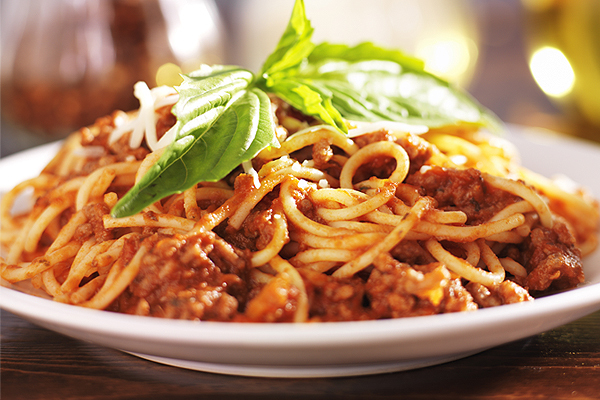
Morning Foodies, Back with my National Food days again in this New Year :-) Today 4th January is National Spaghetti day
Here are today’s five things to know about Spaghetti:
The word spaghetti is the plural form of an Italian word “spaghetto” meaning “thin string” or “twine.
Pasta existed for thousands of years before anyone ever thought to put tomato sauce on it
Italians never use a spoon and a fork when eating spaghetti.
The average person in Italy eats more than 51 pounds of pasta every year.
The world record for the largest bowl of spaghetti was set in March 2010 when the California restaurant Buca di Beppo successfully filled a swimming pool with more than 13,780 pounds of pasta.- source- Foodimentary.com
I'm not really a fan of Spaghetti but I'll celebrate today by eating a bowl full lol :-)